When a contractor is clearing storm debris after a major weather event or a municipality is maintaining miles of roadside right-of-way, equipment performance matters. Every hour of downtime can impact schedules, budgets, and customer relationships. That's why the difference between a reliable attachment and an average one often comes down to details most operators never see.
At Diamond Mowers, those details are built into every stage of development and production. From engineering and material selection to fabrication, testing, and final inspection, each decision is made with one goal in mind: deliver equipment that performs reliably in the toughest conditions.
Explore This Guide
- Why Precision Matters
- The Details Customers Never See
- Testing, Testing: From Design to In-the-field Readiness
- The People Behind the Equipment
WHY PRECISION MATTERS
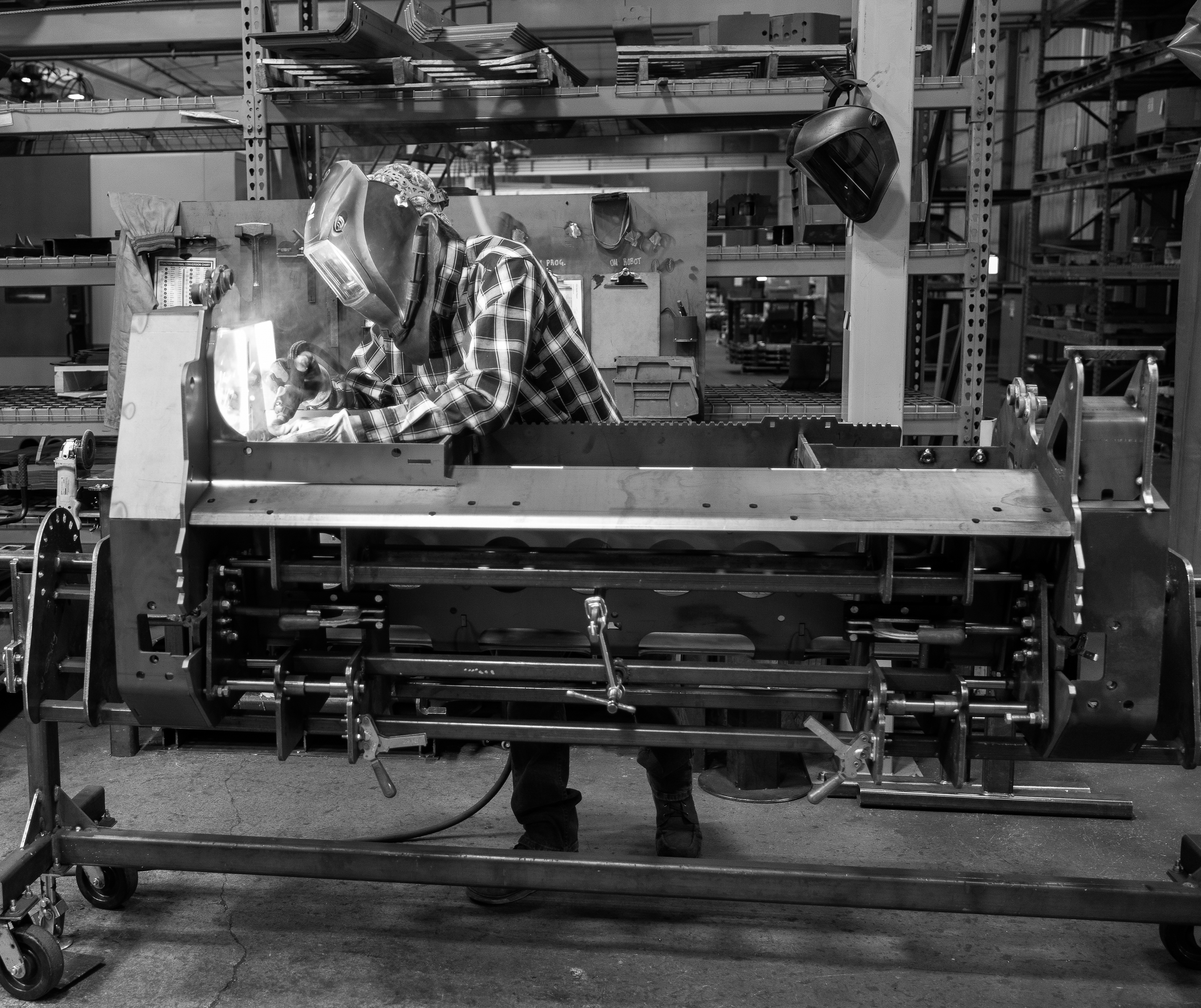
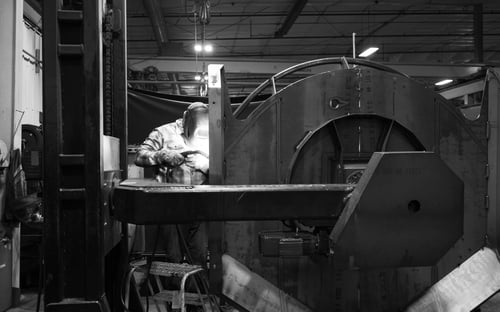
To many people, heavy equipment manufacturing may seem like a simple, assembly-line process: cut steel, weld components together, apply paint, and ship the finished product. But in reality, every step influences the next, requiring constant coordination between engineering, production, quality, and finishing teams.
According to John Mayer, Vice President of Operations, precision manufacturing matters because “every downstream process depends on the accuracy of the previous step.” Accurate cutting and fabrication influence everything that follows, from fit-up and alignment to structural integrity and repeatability throughout production.
That attention to detail becomes especially important in the demanding environments where Diamond equipment operates. Contractors clearing rights-of-way, municipalities maintaining infrastructure, and land management professionals tackling dense vegetation all rely on attachments that can withstand years of vibration, impact loading, abrasion, and continuous use.
What separates Diamond, according to Mayer, is the combination of disciplined manufacturing processes and real-world application knowledge. Rather than treating fabrication, welding, machining, coating, and assembly as isolated operations, every stage is designed to support the long-term durability and performance of the finished attachment.
THE DETAILS CUSTOMERS NEVER SEE
Of course, precision manufacturing alone doesn't create a durable attachment. Long before steel reaches the production floor, engineers make decisions that will influence how equipment performs years later.
While operators often evaluate equipment based on productivity, cutting performance, and reliability, much of that capability originates in design elements they may never notice. The most important engineering and production choices are often the ones operators rarely see, but they can make the difference between equipment that simply works and equipment that performs day after day under demanding conditions.
“There are small structural design details everywhere in our machines that improve longevity and uptime,” said Nate Cleveringa, Vice President of Engineering and Product Management.
One example: the strengthening ribs incorporated into primary boom structures. While they may appear insignificant from the outside, they provide substantial reinforcement and help attachments withstand years of use. Similar design considerations that quietly improve durability, reduce stress concentrations, and support long-term performance can be found throughout all of Diamond’s equipment.
Behind each of those seemingly small choices is a deliberate development process focused on maximizing uptime and long-term reliability. Diamond's engineering process begins with CAD (computer-aided design) modeling and digital analysis, but it doesn't stop there.
“Our process is to design with CAD using our baseline knowledge to analyze and iterate the design digitally, and then actually put steel together,” said Cleveringa. “Once it is assembled, we instrument the structure and go try to break it.”
That rigorous approach helps validate designs before they reach customers and ensures attachments can endure the workloads common in vegetation management, forestry, and roadside maintenance applications.
After finalizing a design, material selection choices become critically important. Different applications place different demands on equipment, whether that's abrasion from mulching, repeated impacts from brush cutting, or constant vibration during roadside maintenance. Selecting the appropriate steel grades and materials helps balance strength, toughness, weight, and service life.
TESTING, TESTING: FROM DESIGN TO IN-THE-FIELD READINESS
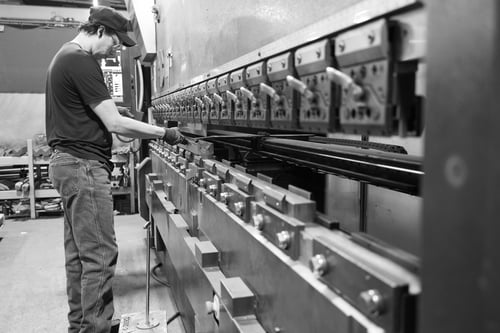
Thoughtful engineering is only part of the equation. Every design decision must ultimately prove itself through manufacturing validation, inspection, and testing before equipment reaches the field. According to Mayer, many people are surprised by the amount of verification that takes place throughout production.
“Quality is not something inspected only at the end,” he explained. “It is built into every stage of the manufacturing process.”
Through fabrication, welding, assembly, and finishing, teams verify dimensions, inspect weld quality, confirm fit and function, and evaluate overall build integrity. Before equipment leaves the facility, it undergoes additional inspections and operational evaluations designed to verify structural integrity, hydraulic performance, and overall readiness for demanding applications so any issues can be addressed before customers encounter them.
That philosophy extends beyond the production floor as well.
“Engineering works very closely with our people in the field and with our manufacturing teams,” said Cleveringa.
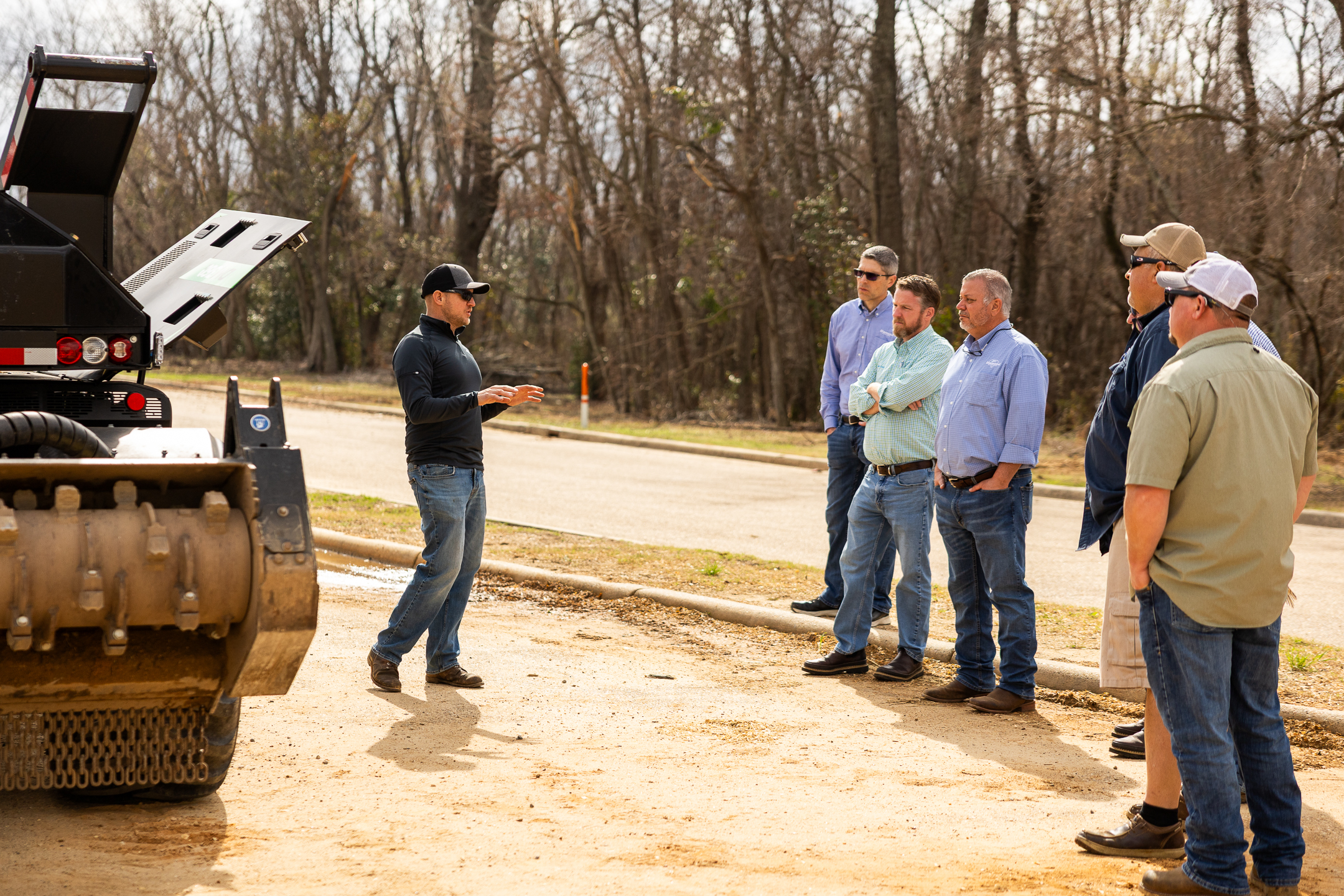
In fact, early versions of new equipment often spend months in front of customers gathering feedback before full-scale production begins. Throughout development, teams also conduct design reviews to ensure products can be manufactured efficiently while meeting real-world performance expectations.
“The earlier that collaboration is done, the smoother things will go in production and ultimately when in use by our customers,” Cleveringa explained.
THE PEOPLE BEHIND THE EQUIPMENT
While technology and manufacturing processes continue to evolve, Diamond believes its greatest strength remains its people.
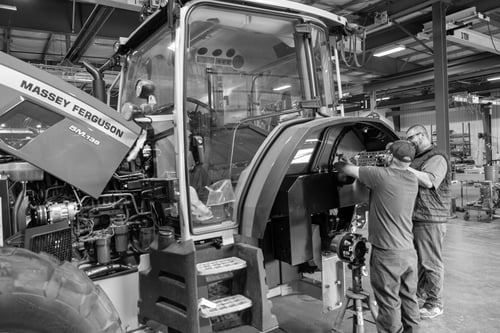
Across the organization, employees bring decades of hands-on experience, practical problem-solving skills, and a deep understanding of how equipment performs in the field, and few people embody that commitment better than Regional Sales Manager Paul Schreurs and Parts Sales Lead Jimmy Parsons, both of whom have spent more than 25 years helping build the company alongside founder Bill Doyle.
When asked what customers should know about the people who build their equipment, Schreurs offered a simple answer:
“They care.”
Parsons echoed that sentiment, describing Diamond's workforce as people with a Midwestern mindset who work hard, take pride in their craft, and focus on doing the job right. And when asked what he is most proud of helping build during his time at Diamond, Schreurs pointed not to a product, but to “the company and our reputation.”
For contractors, municipalities, forestry crews, and land management professionals, that distinction matters. They're not simply investing in steel, hydraulics, and horsepower; they're benefiting from years of engineering refinement, manufacturing discipline, customer collaboration, and field-tested expertise.
Those advantages may not always be visible from the operator's seat, but they're present in every design decision, inspection, and hour of dependable performance in the field. They’re also what ultimately transforms raw materials into equipment professionals can depend on when the work is toughest.
Contact Your Local Diamond Mowers Dealer Today
Diamond Mowers offers a full lineup of high-performance vegetation management attachments that are made in the USA and compatible with most major skid steers, tractors, wheel loaders, and excavators. 👉 Find your local dealer at DiamondMowers.com.